
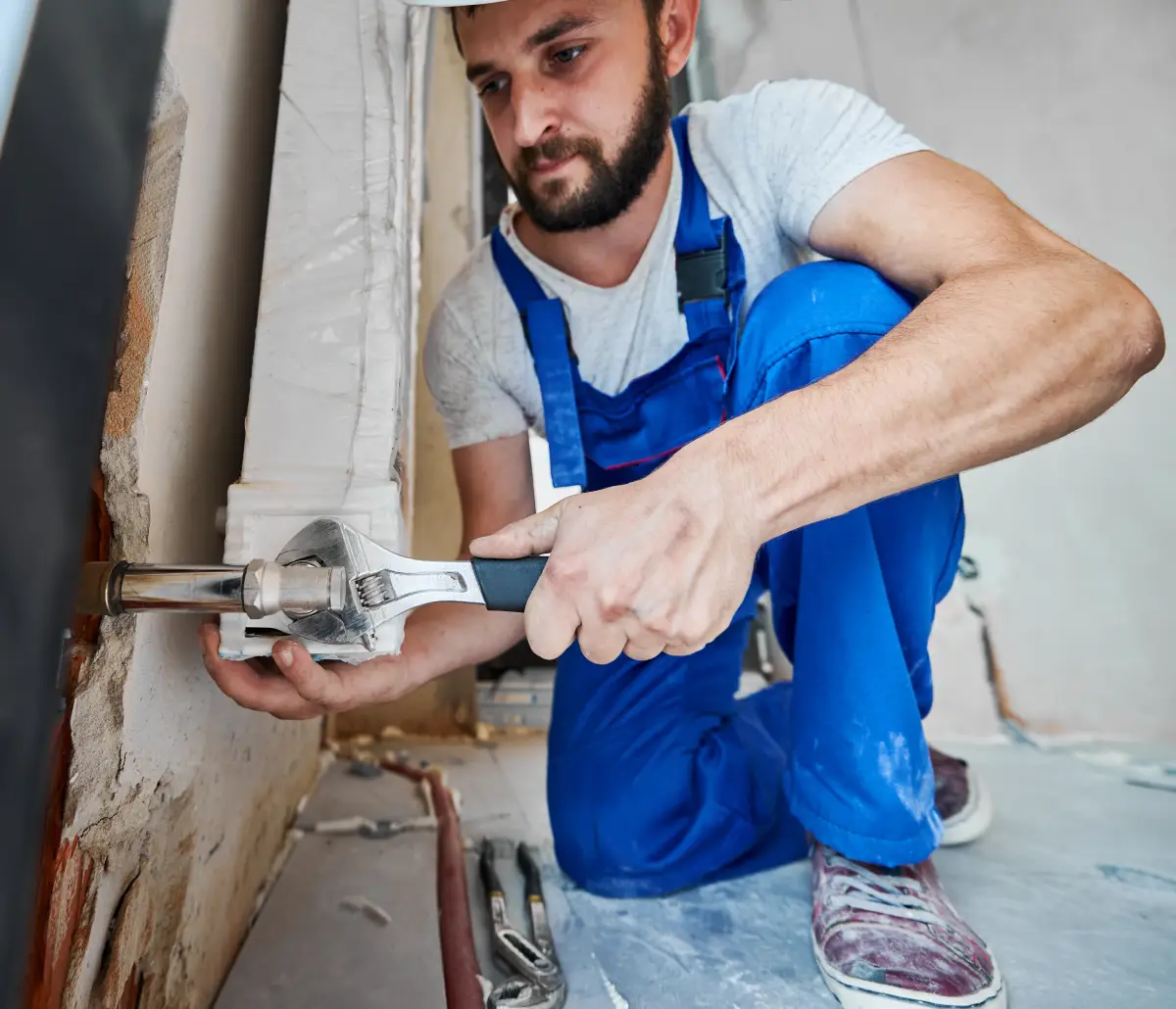
A single repair might not raise any concern, but when similar issues begin appearing across units, it starts to point toward a larger pattern. Looking through service requests and comparing them with your maintenance coordination tips can highlight where things are not holding up as expected.
Recurring minor repairs often reflect deeper inefficiencies within the property. They affect how smoothly everything runs, how much you spend on upkeep, and how tenants experience their space. Addressing these patterns early helps you move toward solutions that actually last.
Key Takeaways
- Recurring minor repairs often reveal deeper system inefficiencies
- Repeated quick fixes increase long-term maintenance expenses
- Delayed upgrades lead to more frequent breakdowns
- Reliable maintenance improves tenant satisfaction and retention
- Tracking repair patterns helps prevent ongoing operational issues
Why Repeated Repairs Signal Bigger Problems
Seeing the same issue more than once should always raise a question. Repairs that return often point to root causes that were not fully resolved the first time.
It is common to treat each repair as a separate event. Over time, that approach leads to repeated work without solving the real issue. When you begin to track patterns, it becomes easier to see where systems are struggling.
Common Causes Behind Recurring Issues
Recurring minor repairs often connect to:
- Systems that are aging and losing efficiency
- Poor installation that leads to repeated breakdowns
- Equipment that is being pushed beyond its limits
Improving how you respond to tenant concern patterns can help uncover these issues before they become more expensive.
The True Cost of Repeating Repairs
Each repair may seem manageable on its own. The cost grows when the same issue needs attention again and again.
Labor, materials, and scheduling all add up. These repeated expenses can quietly impact your overall budget. Housing data shows that median monthly costs reached $2,035 in 2024, reflecting the rising cost of maintaining properties.
Where Expenses Start to Build
Recurring repairs increase costs through:
- Multiple service visits for the same issue
- Frequent replacement of parts
- Time spent coordinating repairs
A broader study found that housing repair costs reached $198.4 billion in a single year, driven largely by unresolved maintenance issues.
Using tools like a rental ROI calculator can help you understand how these repeated expenses affect your long-term returns.
Delayed Upgrades Create Ongoing Challenges
It may feel easier to continue repairing a system instead of replacing it. Over time, that decision often leads to more frequent breakdowns.
Older systems lose efficiency and require more attention. They also tend to fail at inconvenient times, which increases the likelihood of emergency repairs.
Signs You Need a Long-Term Solution
- Repairs are becoming more frequent
- Utility costs are rising without a clear reason
- System performance continues to decline
Investing in routine property maintenance helps stabilize performance and reduce recurring issues.
Tenant Experience Depends on Reliable Fixes
Tenants expect repairs to last. When issues return, it changes how they view the property and management.
Frequent disruptions can make daily life less comfortable. Even when repairs are handled quickly, repeated problems can lead to frustration.
Signs Tenants Are Losing Confidence
- Repeated complaints about the same issue
- Frustration with maintenance requests
- Reduced satisfaction over time
Providing consistent solutions helps build trust. It also improves the overall experience for tenants living in your property.
Recurring Repairs and Tenant Turnover
When maintenance problems continue, tenants may decide to leave. Even small issues can influence their decision if they happen often enough.
Turnover brings additional costs, including vacancy periods and leasing expenses. These costs can quickly exceed what it would have taken to fix the issue properly the first time.
Benefits of Addressing Root Causes
- Lower tenant turnover
- More stable occupancy rates
- Reduced long-term maintenance costs
Reviewing your property with a free rental analysis can help you identify areas where inefficiencies are affecting retention.
Building a More Effective Maintenance Strategy
Breaking the cycle of recurring minor repairs requires a proactive approach. Instead of reacting to issues, focus on preventing them.
A well-planned strategy improves reliability and helps you control costs more effectively.
Steps to Reduce Repeat Issues
- Track maintenance history regularly
- Focus on root causes instead of symptoms
- Schedule preventive inspections
- Replace outdated systems before failure
Using organized owner resources can help you stay on top of maintenance decisions and keep your property running smoothly.
Working with professional maintenance services ensures repairs are handled thoroughly and reduces the chance of repeat issues.
Turning Patterns Into Better Performance
Recurring minor repairs can feel frustrating, but they also provide insight into your property’s condition. They show where systems need attention and where improvements can make the biggest difference.
By focusing on long-term solutions, you can reduce costs, improve tenant satisfaction, and create a more reliable rental experience.
FAQs about Recurring Minor Repairs in Palm Harbor, FL
Why do certain repairs seem to return no matter how often they are fixed?
Recurring issues often happen when only the immediate problem is addressed. If the underlying cause is not resolved, the same repair can return, sometimes more frequently than before, leading to ongoing maintenance concerns.
How can recurring repairs affect long-term property planning?
Repeated repairs can make budgeting less predictable. Over time, small recurring expenses add up and may limit your ability to invest in improvements that could stabilize your property’s performance.
What systems are most likely to experience repeat issues?
Plumbing, HVAC, and electrical systems are common sources of recurring problems because they are used daily. Wear and inefficiencies in these systems can lead to frequent breakdowns if not addressed early.
Can improving maintenance tracking reduce repeat problems?
Yes, tracking repair frequency, costs, and locations helps identify patterns. This information allows you to take action before issues repeat, improving efficiency and reducing unnecessary maintenance expenses.
How does proactive maintenance improve tenant satisfaction?
Proactive maintenance reduces unexpected issues and ensures repairs are handled properly the first time. This creates a more reliable living environment and helps tenants feel more confident about staying long-term.
A Better Way Forward for Your Palm Harbor Rental
Ongoing repair issues don’t have to define how your property operates. With the right approach, those repeating problems can be replaced with steady performance and fewer disruptions for both you and your tenants.
At PMI Pinellas, we focus on identifying what’s causing repeat issues and putting reliable solutions in place that last. This leads to more predictable expenses and a smoother rental experience overall.
If recurring minor repairs are starting to impact your investment, bring lasting efficiency to your property with PMI Pinellas through our maintenance services and create a more dependable rental environment.